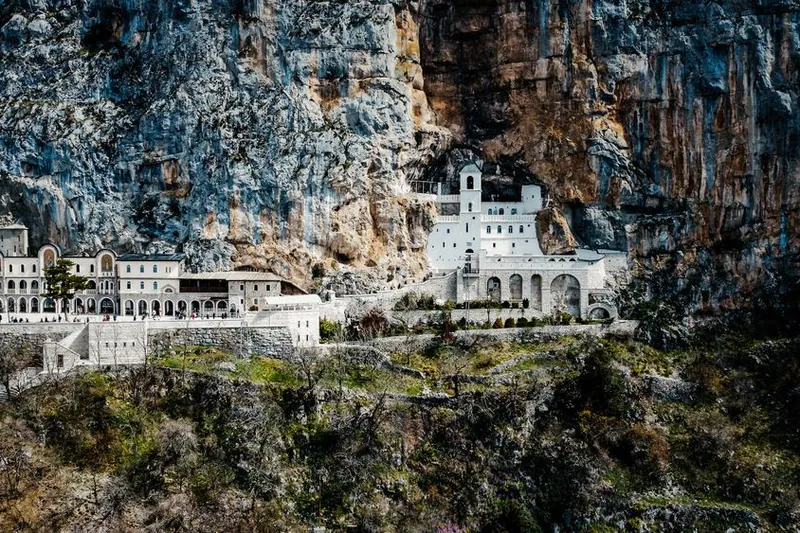


An Ostrog Monastery day trip brings you to one of the most remarkable buildings in the Balkans: a gleaming white Orthodox monastery set into a sheer cliff, about 900 metres up, with the valley of the Zeta river spread out below. It is the most important place of pilgrimage in Montenegro and draws visitors of every faith, as well as travellers who simply want to see it.
There are two parts. The Lower Monastery, with its larger church and guesthouse, stands on a terrace lower down the mountain; the Upper Monastery, the one in the photographs, is built into the rock face itself and holds the relics of St Basil of Ostrog. Pilgrims often walk between the two.
Ostrog lies inland, about an hour from Podgorica Airport and around two hours from Tivat or Budva, so it is a full-day trip from the coast or an easy half day from the capital.
St Basil and the history of Ostrog
The monastery is inseparable from one man. St Basil of Ostrog (Sveti Vasilije Ostroški) was a 17th-century Orthodox bishop of Herzegovina who, under pressure from the Ottoman authorities, withdrew to this remote cliff, where caves in the rock already sheltered hermits. He founded the monastery here and lived in it until his death in 1671.
Soon after, people began to come to his tomb to pray for healing, and stories of miracles spread across the region. They have never stopped. His relics are kept in a small cave church in the Upper Monastery, and visitors file past to pray before them. Pilgrims include Orthodox Christians from across the Balkans and Russia, but also many Catholics and Muslims, which makes Ostrog an unusual meeting point of faiths.
The Upper Monastery as you see it today was largely rebuilt in the 1920s after a fire, though the two small cave churches inside the rock are much older and still hold frescoes from the 17th century. The Lower Monastery, with the Church of the Holy Trinity, dates from the 19th century. On the saint’s feast day in May, thousands of pilgrims gather, and many spend the night on the terraces.
What to see at Ostrog
The Upper Monastery
The white façade against the cliff is even more striking in person. Inside, narrow passages lead to the cave chapel where the relics of St Basil lie, and to the Church of the Holy Cross, its rock walls painted with old frescoes. Queues to the relics can be long on weekends and holidays; move slowly and quietly.
The view over the Bjelopavlići valley
From the terrace outside the Upper Monastery you look straight down over forest and fields to the valley of the Zeta river. It is one of the great views in Montenegro, and worth a few quiet minutes.
The Lower Monastery
Further down the mountain, the Lower Monastery has the larger Church of the Holy Trinity, a spring, a small shop for candles and icons, and accommodation for pilgrims. It is calmer than the Upper Monastery and worth a visit in its own right.
The pilgrim path
A steep footpath links the two monasteries, a climb of a few kilometres through the woods. Many pilgrims walk it as part of their visit, some of them barefoot. If you are fit and the weather is mild, walking up and being collected at the top is a memorable way to arrive.
Practical tips for visiting Ostrog
Ostrog is an active monastery and a place of prayer, so dress modestly: shoulders and knees covered for everyone, and women are usually asked to wear a skirt rather than trousers. Wraps are often available at the entrance. Speak quietly, follow the monks’ instructions about photography, and avoid shorts and beachwear entirely.
Weekends, church holidays and the saint’s feast day in May are the busiest times. On an ordinary weekday morning it is much calmer. Entry is free; visitors usually buy a candle or leave a donation.
The last stretch of road to the Upper Monastery is narrow, steep and twisting, and parking at the top is very limited. Large coaches stop lower down, and in busy periods access for cars may be controlled. Allow two to three hours at the monastery itself, and check before you go if you are visiting on a major religious holiday.
Getting to Ostrog from Tivat and Podgorica airports
| From | Distance | Driving time |
|---|---|---|
| Tivat Airport (TIV) | about 120–135 km | about 2 h–2 h 15 |
| Podgorica Airport (TGD) | about 60 km | about 1 h |
From Podgorica Airport, Ostrog is about 60 km and roughly an hour, through Podgorica and Danilovgrad, with the final climb up the mountain road.
From Tivat Airport or the Budva Riviera, plan on about two hours to two and a quarter each way, either via Podgorica or inland via Nikšić, so the round trip is a full day.
This is where a private driver makes the biggest difference. Your driver knows the narrow final road, drops you as close to the Upper Monastery as is allowed, waits while you visit, and can collect you at the top if you walk up from the Lower Monastery. The price is fixed in advance, and child seats are available on request. See fixed prices from Tivat Airport or book your trip.
Combine Ostrog with nearby places
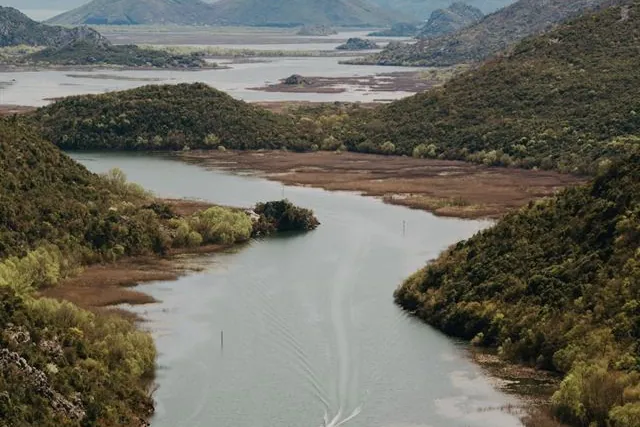
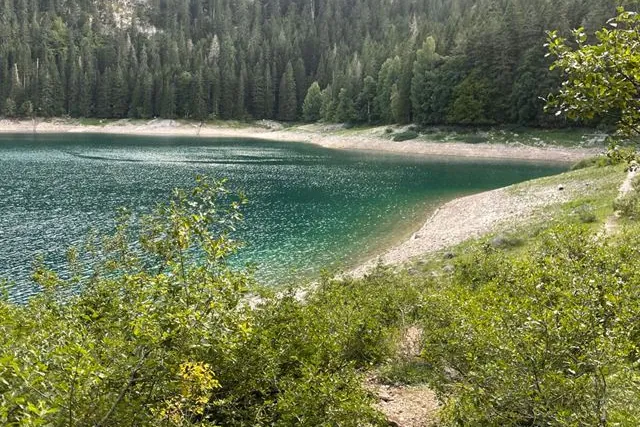
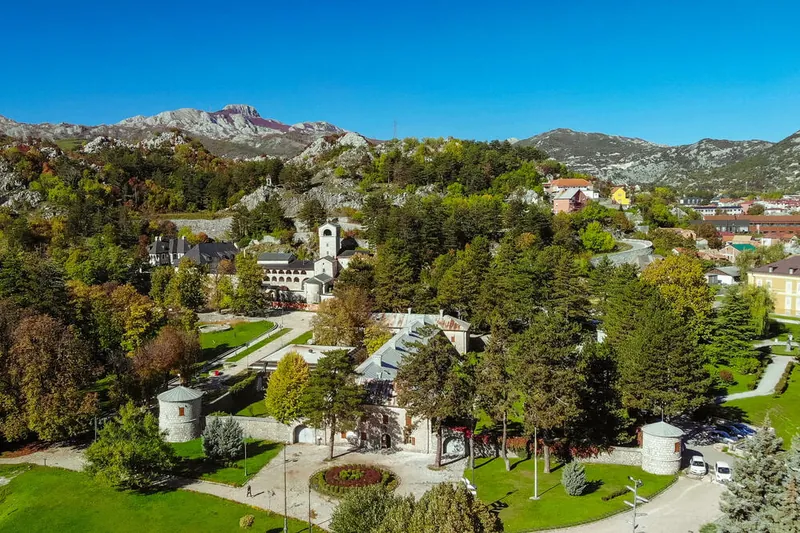
Ostrog sits on the way north from Podgorica, so it pairs well with a visit to Skadar Lake on the same day. Travellers heading into the mountains often stop at Ostrog on the way to Durmitor and the Black Lake, and from the coast you can loop back via Cetinje.
Questions people ask
Can you visit Ostrog Monastery from Budva in a day?
Yes. Ostrog is about two hours from Budva each way, so a day trip is comfortable with an early start: around two to three hours at the monastery, a lunch stop, and back on the coast by late afternoon. Many visitors add Skadar Lake or Cetinje on the way back.
What should I wear to Ostrog Monastery?
Cover your shoulders and knees. Women are usually asked to wear a skirt or a wrap over trousers, and men should wear long trousers. Wraps are often available at the entrance, but it is easier to bring your own. Avoid beachwear, and remove your hat inside the churches.
Do you have to pay to enter Ostrog Monastery?
No. Entry to Ostrog is free. Most visitors buy candles in the monastery shop or leave a donation. There may be a charge for parking near the monastery, and arrangements at busy times change, so check before you go if you are visiting on a weekend or a major church holiday.
Can you drive up to the Upper Monastery?
Cars can usually drive close to the Upper Monastery, but the last stretch is narrow, steep and twisting, and parking at the top is very limited. Coaches stop lower down. At busy times traffic may be controlled. A local driver who knows the road makes this part of the trip much easier.
How long do you need at Ostrog?
Allow two to three hours: time to visit the Upper Monastery and the relics of St Basil, take in the view, and visit the Lower Monastery. On weekends and holidays the queue to the relics can add an hour. Walking the path between the two monasteries adds about an hour.